How Skylight Installation Improves Energy Efficiency
Skylight installation by local contractors can enhance energy efficiency by increasing natural light and reducing reliance on artificial lighting in your home.
Property owners exploring ways to enhance energy efficiency often find that skylight installation can be a practical addition to their home improvement plans. Properly installed skylights can increase natural light, reducing the need for artificial lighting during the day and potentially lowering energy bills. For those in the area considering this upgrade, understanding how skylight installation improves energy efficiency can reveal opportunities to make their homes more comfortable and cost-effective.
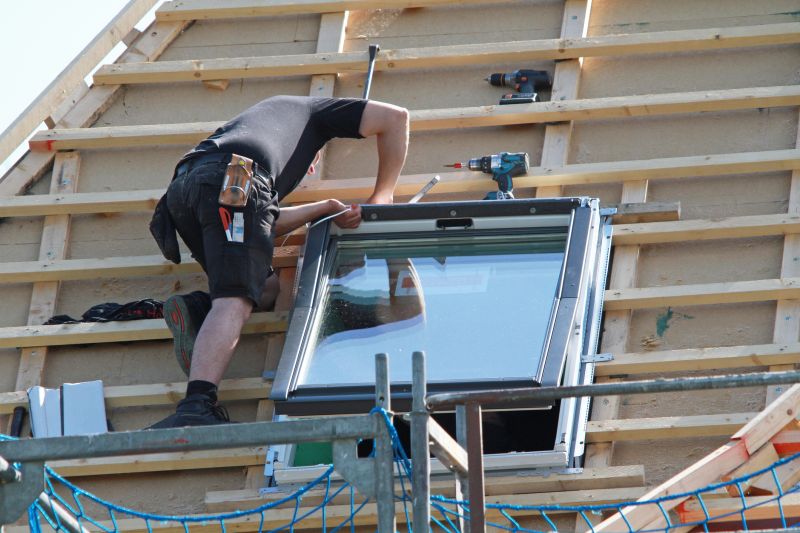
Engaging with experienced local contractors can ensure that skylight installation is tailored to maximize these benefits. Skilled service providers understand how to position and seal skylights effectively, helping to minimize heat loss in winter and heat gain in summer. By exploring this topic further, property owners can discover how professional skylight installation might contribute to a more energy-efficient and inviting living space.
- Residential skylight installation - homeowners looking to reduce energy costs may seek this service to enhance natural lighting and improve insulation.
- Skylight replacement services - property owners with aging or inefficient skylights often turn to local contractors to upgrade for better energy performance.
- Attic skylight integration - those aiming to boost attic insulation and airflow might need expert installation that optimizes energy efficiency.
- Skylight sealing and insulation - individuals experiencing drafts or heat loss around existing skylights can benefit from professional sealing to improve energy conservation.
- Custom skylight design and installation - clients interested in tailored solutions to maximize daylight while minimizing energy transfer often work with local service providers.
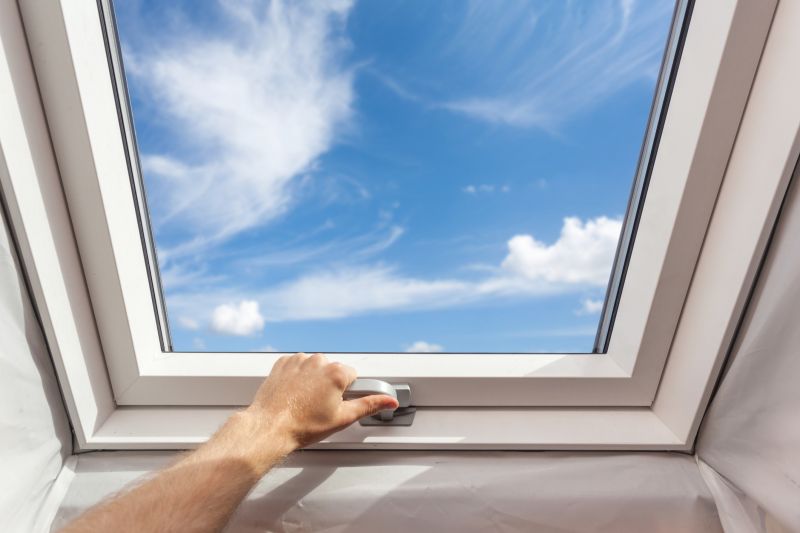
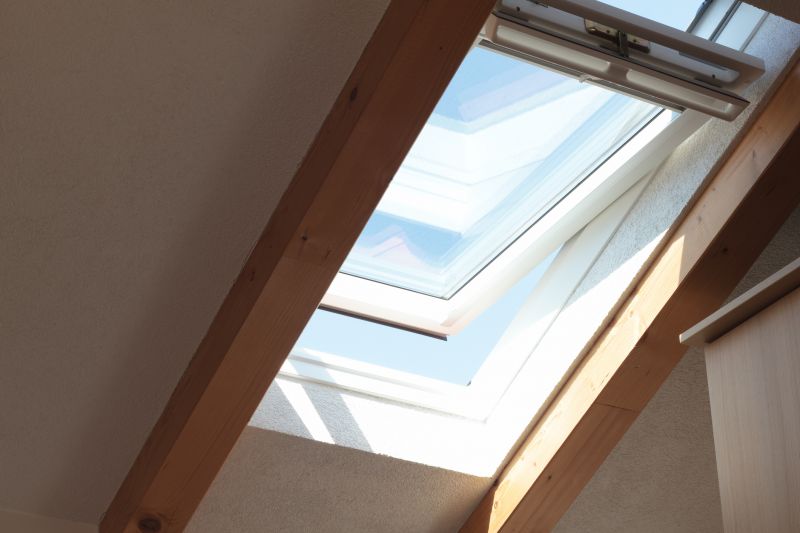
When people search for how skylight installation improves energy efficiency, they are often exploring ways to reduce their heating and cooling costs while making their homes more comfortable. Skylights can influence a property’s energy performance by increasing natural light, which can lessen the need for artificial lighting during the day. Homeowners may be interested in understanding how properly installed skylights can help regulate indoor temperatures, potentially decreasing reliance on HVAC systems. This search often relates to larger plans for home upgrades or renovations aimed at reducing energy consumption and improving overall comfort.
The types of problems that lead homeowners to consider skylight installation include issues with uneven lighting, high energy bills, and the desire to make spaces feel more open and inviting. Many property owners are also looking for ways to enhance the functionality of their living areas, especially in rooms that lack sufficient windows. Skylights can be part of a broader plan to improve energy efficiency by providing natural light that reduces the need for electric lighting and helps distribute heat more evenly. Local contractors who specialize in skylight installation can assess the specific needs of a property and recommend solutions that optimize both light and energy use.
Properties that typically come up in discussions about skylight installation are often residential homes, including single-family houses, townhomes, and multi-story dwellings. Attics and upper floors are common locations for skylights because these areas are often underlit and can benefit from additional natural light. Larger homes with expansive roof spaces are ideal candidates for multiple skylights, which can significantly impact energy efficiency by reducing the dependence on electric lighting and helping to moderate indoor temperatures. Even some commercial properties, such as offices or retail spaces with accessible roofs, may be suitable for skylight upgrades to improve lighting and energy use.
Understanding how skylight installation improves energy efficiency involves recognizing the practical benefits of increased natural light and better thermal regulation. Local service providers can evaluate a property’s structure and recommend the best skylight types and placements to maximize energy savings. Proper installation ensures that skylights are sealed correctly, preventing leaks and drafts that could otherwise negate energy benefits. By working with experienced contractors, homeowners can ensure that skylight upgrades are integrated effectively into their existing building systems, leading to more comfortable indoor environments and potentially lower energy costs over time.
Roof Ventilation Projects - Proper roof ventilation skills are essential for ensuring energy-efficient indoor climates, similar to the planning involved in skylight installation to optimize natural light and heat flow.
Attic Insulation Improvements - Upgrading attic insulation requires careful planning and the use of specialized tools, paralleling the skills needed for installing skylights that contribute to energy efficiency.
Window Replacement Services - Replacing windows to improve insulation and reduce energy loss shares techniques with skylight installation, focusing on sealing and proper integration for energy savings.
Sunroom Additions - Building sunrooms involves structural planning and the installation of large glass panels, similar to skylight installation's focus on maximizing natural light and energy efficiency.
Skylight Repair and Restoration - Restoring or repairing existing skylights requires precise work that ensures energy efficiency is maintained, aligning with the skills used in new skylight installation projects.
Exterior Roofing Projects - Roofing projects that involve modifying or enhancing the roof structure often require planning and tools similar to those used for skylight installation to improve overall building performance.
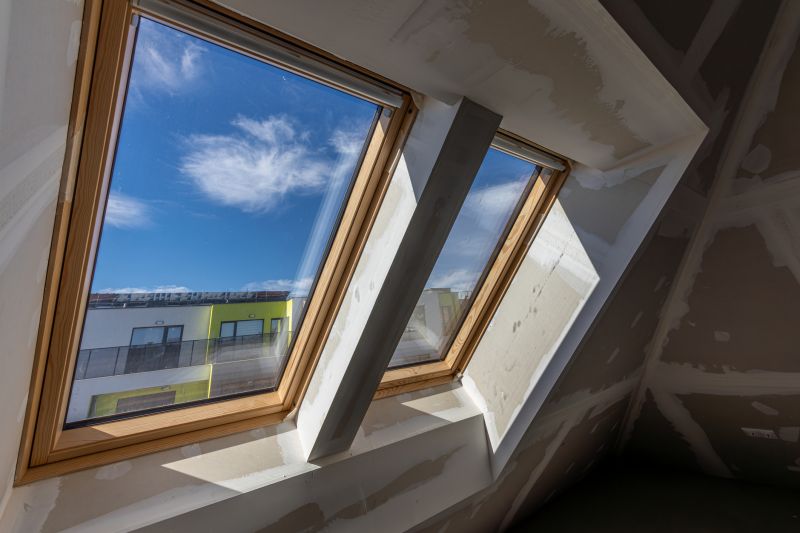
When evaluating service providers for skylight installation, it is important to consider their experience with similar projects. Homeowners should inquire about the types of skylights the contractors have installed and whether they have worked on homes with comparable architectural styles or energy efficiency goals. An experienced contractor will be familiar with the best practices for maximizing natural light while minimizing heat transfer, ensuring that the installation contributes effectively to energy efficiency improvements. Verifying a contractor’s track record with past projects can help determine their ability to deliver quality workmanship that aligns with the homeowner’s expectations.
Clear written expectations are essential when comparing local contractors for skylight installation. Homeowners should seek detailed project proposals that outline the scope of work, materials to be used, and any specific considerations related to energy efficiency. Having a comprehensive plan helps prevent misunderstandings and ensures that both parties are aligned on the goals of the installation. Well-documented expectations also serve as a reference point throughout the project, fostering transparency and accountability, which can contribute to a smoother, more predictable process.
Reputable references and effective communication are key factors in selecting a reliable service provider. Homeowners are encouraged to ask for references from previous clients who had similar skylight projects, especially those focused on energy efficiency improvements. Connecting with past customers can provide insights into the contractor’s professionalism, quality of work, and ability to meet deadlines. Additionally, good communication from the outset-such as prompt responses to questions and clarity about project details-can help ensure that the installation process proceeds smoothly and that any concerns are addressed promptly, ultimately supporting a successful outcome.
Property owners often search for how skylight installation improves energy efficiency when they are planning practical projects around their homes and businesses. Local pros provide Skylight Installation services for everyday jobs and straightforward project options.
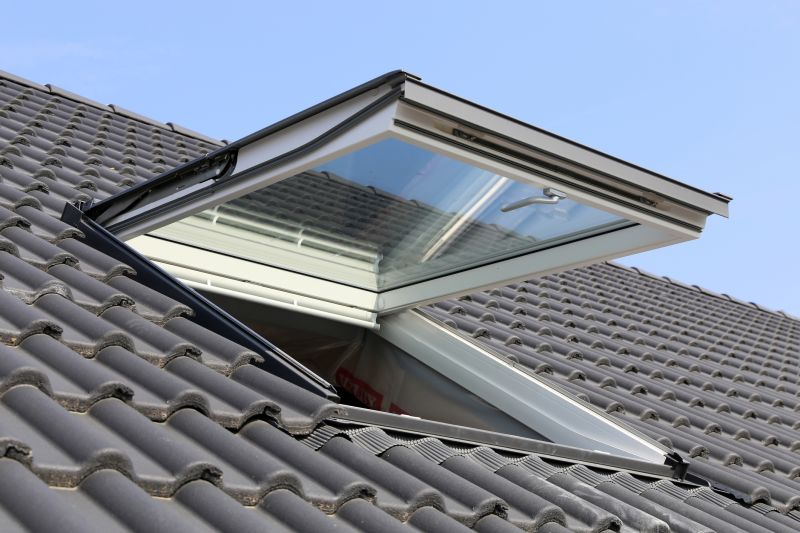
Skylight installation can significantly impact the energy efficiency of a property by increasing natural light during the day, reducing reliance on artificial lighting. Property owners in the area might consider this service as a way to make their homes more comfortable and to lower energy bills. When local contractors handle the installation, they ensure that the skylights are properly integrated into the building’s structure, helping to prevent drafts and heat loss that can occur with poorly installed units. This practical upgrade can be especially appealing for those looking to optimize their indoor environment without major renovations.
In addition to enhancing lighting, skylight installation can contribute to better temperature regulation within a home. Properly installed skylights can help warm a space naturally during colder months and reduce the need for additional heating. Property owners often seek out local service providers to explore how skylight installation improves energy efficiency because experienced contractors understand the best placement and sealing techniques. These professionals can recommend solutions that maximize benefits, making the investment worthwhile for those aiming to improve their property's overall energy performance.
How does skylight installation improve energy efficiency? Skylight installation can enhance energy efficiency by allowing natural light to reduce the need for artificial lighting during the day, lowering electricity use. Properly installed skylights can also help with passive solar heating, reducing heating costs in colder months. Additionally, high-quality skylights with good insulation properties minimize heat transfer, maintaining indoor temperature stability.
What role do local contractors play in improving energy efficiency with skylights? Local contractors ensure that skylights are properly installed with attention to sealing and insulation, which are crucial for energy efficiency. They can recommend the best skylight types and placement to maximize natural light while minimizing heat loss or gain. Skilled installation helps prevent leaks and drafts that could otherwise reduce energy savings.
Can skylight installation reduce heating and cooling costs? Yes, skylights can contribute to lower heating and cooling costs by increasing passive solar heat gain in winter and providing natural ventilation options in summer. Properly installed skylights with energy-efficient features help maintain consistent indoor temperatures, reducing reliance on HVAC systems.
Are there specific skylight features that enhance energy efficiency? Energy-efficient skylights often feature double or triple glazing, low-emissivity coatings, and insulated frames. These features help prevent heat transfer, keeping indoor spaces warmer in winter and cooler in summer. Local service providers can recommend skylights with these features to optimize energy benefits.
Why is professional installation important for maximizing energy efficiency benefits? Professional installation ensures that skylights are correctly sealed and insulated, which is essential for preventing air leaks and thermal transfer. Proper installation also guarantees that skylights are positioned to maximize natural light and solar gain, leading to better energy efficiency outcomes.
Maximize natural light - Installing skylights can reduce the need for artificial lighting during the day, helping property owners save energy.
Improve insulation - Choosing energy-efficient skylights with proper insulation features can minimize heat transfer and maintain indoor temperatures.
Strategic placement - Positioning skylights in areas with the most sunlight exposure enhances daylighting and reduces reliance on electrical lighting.
Seal and insulate properly - Ensuring skylights are correctly sealed by local contractors prevents air leaks that can increase energy consumption.
If you are thinking about how skylight installation improves energy efficiency for a property, this guide is meant to help you understand this topic, the typical project types, and how different options might fit your plans.
When you are ready, you can use the quote form on this page to share a few details about your project. From there, local pros can review the basics and follow up with options that match what you have in mind.